


 Education has always played a defining role in shaping careers, but its influence has grown even stronger in today’s fast-changing world. Beyond degrees and certificates, education builds the foundation of skills, thinking patterns, and adaptability that determine how far and how flexibly a person can go in their professional life.
Career opportunities are rarely accidental. They are often the result of what people learn, how they apply that knowledge, and how well education prepares them for real-world challenges.
Education as the Gateway to Career Access
For many professions, education is the entry point. It sets minimum qualifications and signals readiness to employers.
Education influences access by:
- Meeting eligibility requirements for specific roles
- Opening doors to regulated professions like healthcare, law, and engineering
- Providing recognized credentials that validate competence
Without the required educational background, many career paths remain closed regardless of talent or ambition.
Skill Development Beyond the Classroom
Modern education is not just about memorizing facts. It equips individuals with transferable skills that apply across industries.
Key career-building skills shaped by education
- Critical thinking and problem-solving
- Communication and presentation abilities
- Time management and discipline
- Collaboration and teamwork
These skills often matter as much as technical knowledge, especially in leadership and growth-oriented roles.
Education and Career Flexibility
Education increases career mobility by making it easier to shift roles, industries, or even entire career paths.
People with strong educational foundations can:
- Adapt faster to new technologies
- Learn new skills with less friction
- Transition into emerging industries more smoothly
In uncertain job markets, adaptability becomes a major career advantage.
Higher Education and Earning Potential
While income varies by field, education generally has a strong correlation with earning potential over time.
Benefits linked to higher levels of education include:
- Access to higher-paying roles
- Greater long-term salary growth
- More opportunities for promotions and leadership positions
Education does not guarantee wealth, but it significantly improves financial prospects for many careers.
Education Shapes Career Confidence and Decision-Making
Learning builds more than knowledge—it builds confidence. Educated individuals are often better equipped to assess options, negotiate opportunities, and plan long-term careers.
Education helps individuals:
- Understand industry expectations
- Make informed career choices
- Identify growth paths and skill gaps
This clarity reduces trial-and-error career moves and increases purposeful progression.
Role of Specialized and Vocational Education
Not all career success depends on traditional academic paths. Specialized and vocational education plays a critical role in workforce development.
Advantages of vocational and skill-based education
- Faster entry into the workforce
- Practical, job-ready training
- Strong alignment with industry needs
For many careers, hands-on skills and certifications matter more than academic degrees.
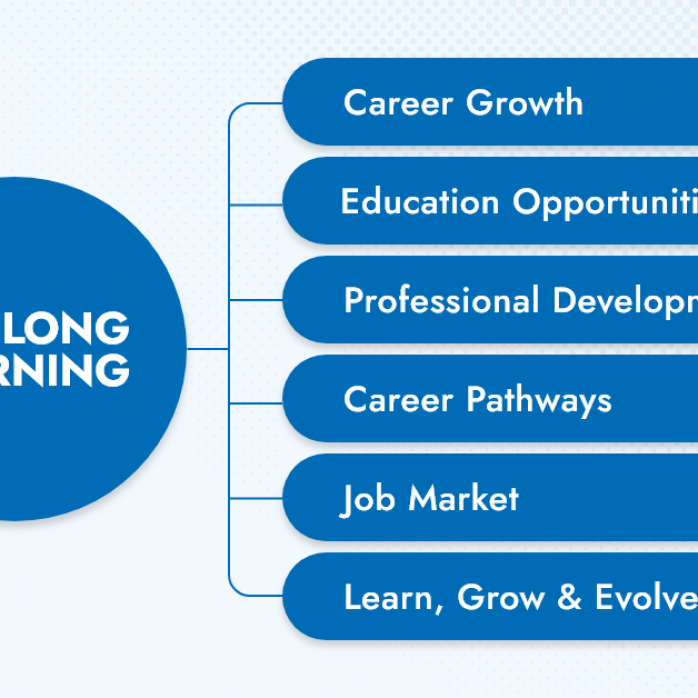
Lifelong Learning in Career Growth
Education no longer ends with graduation. Continuous learning has become essential for staying relevant.
Professionals who embrace lifelong education:
- Stay competitive as industries evolve
- Qualify for new roles and responsibilities
- Reduce the risk of career stagnation
Short courses, certifications, and self-directed learning now complement formal education.
Education as a Signal to Employers
Employers often view education as a reflection of commitment, discipline, and learning ability.
Even when roles don’t require specific degrees, education can signal:
- Willingness to invest in self-improvement
- Ability to complete long-term goals
- Readiness to handle complex responsibilities
This perception influences hiring and advancement decisions.
Education Does Not Work Alone
While education is powerful, it works best alongside experience, networking, and personal initiative.
Career success is strongest when education is combined with:
- Real-world application
- Internships or practical exposure
- Mentorship and professional relationships
Education sets the stage, but action brings opportunities to life.
Frequently Asked Questions
Is formal education still important in the digital age?
Yes. While skills matter greatly, formal education provides structure, foundational knowledge, and credibility that remain valuable across industries.
Can self-education replace traditional education for careers?
Self-education can be effective in some fields, especially tech and creative industries, but many careers still require formal qualifications.
Does education guarantee career success?
No. Education improves opportunities, but success also depends on effort, experience, adaptability, and decision-making.
How does education affect career stability?
Education often increases job stability by qualifying individuals for roles with clearer career paths and advancement options.
Is it ever too late to pursue education for career growth?
No. Education at any stage can open new opportunities, support career transitions, or improve advancement potential.
How should students choose education paths for better careers?
They should consider interests, market demand, long-term growth, and the skills required—not just job titles or trends.
Do employers value education or experience more?
Most employers value a balance. Education shows potential, while experience proves application. The strongest candidates usually have both.
Education shapes career opportunities by expanding access, building skills, and increasing adaptability. While it is not the sole factor in success, it remains one of the most reliable tools for creating long-term professional growth and meaningful career options.

Comments are closed.