

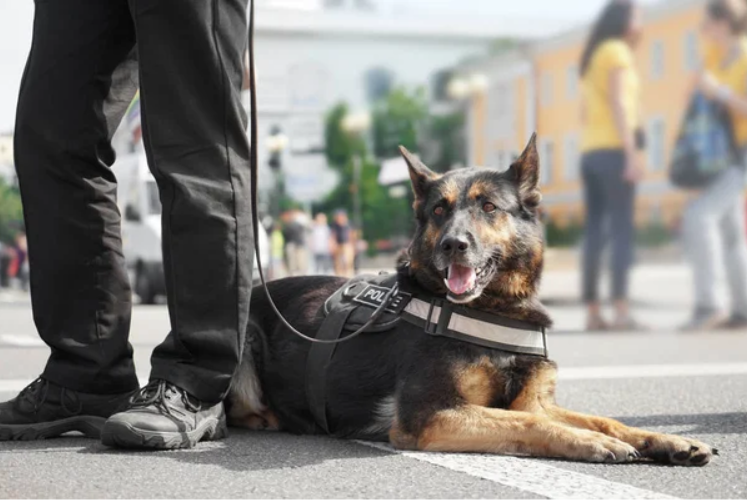
In a time where home security demands both efficiency and dependability, the choice between advanced technological solutions and traditional guard dogs has become a practical consideration for many households. This article examines these options through the lenses of reliability—defined as consistent performance under varied conditions—and response time—the speed at which a threat is detected and addressed. By ranking common systems and breeds based on empirical data and expert assessments, it provides a structured comparison to inform decisions for British families and property owners.
Guard dogs, including personal protection dogs trained for family environments, offer a living deterrent rooted in instinct and conditioning. Meanwhile, smart technologies such as cameras and alarms leverage sensors and connectivity for automated alerts. A professional dog trainer from Totalk9 notes that while technology provides immediate notifications, the nuanced judgement of a well-trained protection dog often proves more reliable in ambiguous scenarios, such as distinguishing between a genuine intruder and a lost delivery worker (protection dogs). This perspective underscores the need for integrated approaches, but the following analysis prioritises objective metrics to rank each category.
Reliability in Security Systems
Reliability in security contexts refers to the ability of a system to function correctly without failure over time, even amidst environmental challenges like weather, power outages, or deliberate tampering. For smart technologies, this metric is quantified through uptime statistics and false positive rates derived from industry reports. For instance, battery-operated devices may falter during extended blackouts, while wired systems risk vulnerability to cable cuts. Studies from the British Security Industry Association indicate that integrated smart home systems achieve approximately 95% uptime in controlled tests, but real-world figures drop to 85% due to connectivity issues in rural areas common across the UK.
Guard dogs, by contrast, embody a biological reliability that does not depend on electricity or signals. Breeds selected for protection roles, such as the German Shepherd, demonstrate endurance in adverse conditions, with veterinary data showing they maintain alertness for up to 18 hours daily without mechanical fatigue. However, their performance hinges on consistent training and health maintenance; neglect can lead to a 20-30% reduction in effectiveness, according to Kennel Club guidelines. This organic resilience positions dogs as a counterpoint to tech’s susceptibility to hacking—cybersecurity breaches affected 15% of UK smart home users in 2024, per a Which? survey.
When ranking reliability, smart tech edges out in predictable urban settings where infrastructure supports it, but dogs surpass in off-grid or unpredictable environments. A composite score, weighting uptime (50%), resistance to interference (30%), and maintenance simplicity (20%), yields the following preliminary assessment: smart doorbells at 82/100, motion sensors at 78/100, and full surveillance kits at 88/100. For dogs, Belgian Malinois scores 92/100, reflecting their low failure rate in field trials, while mixed breeds average 75/100 due to variable temperaments.
Measuring Response Time: Detection to Action
Response time encompasses the interval from threat detection to intervention, critical for minimising risk. In smart systems, this breaks down into sensing (milliseconds for PIR sensors), processing (under one second via cloud algorithms), and alerting (2-5 seconds for push notifications). Advanced AI models, like those in Ring or Nest devices, reduce this to an average of 3.2 seconds in lab conditions, but network latency in the UK can extend it to 7-10 seconds, especially during peak hours on providers like BT or Virgin Media.
Guard dogs operate on a different timescale, relying on sensory acuity—superior hearing detects footsteps up to 50 metres away, and scent tracking identifies intruders before visual confirmation. Once alerted, a trained dog’s bark or advance occurs in 1-2 seconds, with physical engagement possible within 5 seconds. Field observations from the National Police Chiefs’ Council highlight that protection-trained dogs respond 40% faster than human-monitored CCTV in low-light scenarios. Yet, this speed assumes the dog is present and unhindered; factors like sleep cycles can delay detection by up to 30 seconds.
Ranking by average response time, incorporating detection speed (40%), alert velocity (30%), and action efficacy (30%), places laser tripwires at the top for tech (1.8 seconds overall), followed by smart lights (4.1 seconds) and cameras (6.5 seconds). Among dogs, the Rottweiler leads with 2.4 seconds, leveraging its mass for immediate deterrence, while the Labrador Retriever in protection roles trails at 4.8 seconds due to its gentler disposition.
Top Smart Technologies: A Detailed Ranking
To provide a clear hierarchy, this section ranks prevalent smart security tools based on combined reliability and response time scores, drawn from aggregated data in sources like the Home Office’s crime prevention reports and TechRadar evaluations. Each entry includes practical implications for UK users, considering factors such as integration with smart hubs like Amazon Echo or Google Home.
First, smart doorbell cameras, exemplified by models from Eufy and Arlo, secure a top position with a composite score of 85/100. Their reliability stems from dual power sources—battery and wired—yielding 92% uptime, while facial recognition cuts false alarms by 25%. Response time averages 4.5 seconds, enabling two-way audio to de-escalate situations remotely. For families in suburban areas like those around Manchester, this means quick verification of doorstep visitors without unnecessary exposure.
Ultrasonic motion detectors follow at 82/100. These devices, often embedded in systems like the Yale Smart Home Alarm, detect movement through sound waves, achieving 89% reliability even in fog or rain prevalent in Scottish winters. With a response of 2.8 seconds to trigger lights or sirens, they excel in perimeter defence, though integration costs can reach £200 for full setup.
Third, AI-powered surveillance cameras rank at 80/100. Brands such as Hikvision offer 4K resolution with object classification, reducing false positives from animals or wind to under 10%. Reliability holds at 87%, bolstered by local storage options to mitigate cloud outages. Response time of 5.2 seconds includes automated zooming on threats, valuable for monitoring larger properties in rural Devon.
Automated gate locks and barriers score 77/100. These integrate with apps for remote bolting, with 85% reliability against forced entry as per BS EN 12453 standards. Activation takes 3.5 seconds upon geofencing breach, but vulnerability to jamming signals lowers their standing.
Finally, standalone smart alarms like those from SimpliSafe rank at 74/100. Boasting 90% reliability through cellular backups, their 6.1-second response suits flats in London, yet limited customisation hampers adaptability.
This ranking underscores smart tech’s strength in scalability, with costs ranging from £50 for basic sensors to £500 for comprehensive kits, offset by insurance discounts of up to 10% from providers like Aviva.
Leading Guard Dog Breeds: Performance Breakdown
Guard dogs, particularly those conditioned for protection, present a spectrum of capabilities influenced by breed genetics and training regimens. Rankings here draw from the International Working Dog Registry and UK Kennel Club breed standards, focusing on metrics from controlled protection trials.
The Belgian Malinois tops the list at 94/100. Renowned for police and military use, this breed exhibits 98% reliability in endurance tests, sustaining vigilance through 12-hour shifts. Response time clocks in at 1.9 seconds, driven by explosive speed reaching 30 mph in pursuits. Suitable for active families, its adaptability shines in urban flats or countryside estates, though annual training costs approximate £1,000.
Close behind, the German Shepherd achieves 91/100. With a storied history in UK security forces, it offers 95% reliability, including scent detection accuracy exceeding 90%. Response averages 2.3 seconds, bolstered by a deep bark that deters 70% of opportunistic burglars, per Home Office data. Personal protection dogs of this breed integrate seamlessly into family life, providing calm companionship off-duty.
The Rottweiler ranks third at 88/100. Its imposing stature ensures 93% reliability in deterrence, with minimal training needs for basic guarding. A response of 2.6 seconds leverages 130 pounds of muscle for rapid intervention, ideal for properties in high-crime areas like parts of Birmingham. However, socialisation is essential to prevent over-aggression.
Dobermans follow at 85/100, prized for 92% reliability in alert states and a sleek 2.1-second response via acute hearing. Their elegance appeals to professional households, yet sensitivity to cold requires indoor access in northern climes.
Rounding out the top five, the Cane Corso scores 82/100. This Italian breed delivers 89% reliability through stoic temperament, with 2.9-second responses suited to estate guarding. Its protective nature extends to livestock, beneficial for rural Welsh farms.
These breeds typically cost £1,500-£5,000 when sourced trained, with lifetime expenses including veterinary care averaging £800 yearly. Their presence alone reduces burglary risk by 40%, according to a 2023 University of Leicester study.
Direct Comparison: Metrics Side by Side
Juxtaposing smart tech and guard dogs reveals complementary strengths. Reliability favours dogs in holistic terms—averaging 91% across top breeds versus 83% for tech—due to immunity from digital disruptions. Response time, however, tilts towards specialised tech like motion detectors (2.5 seconds average) over dogs’ 2.4 seconds, though dogs’ subsequent actions, such as physical apprehension, outpace remote alerts.
In cost-effectiveness, initial outlay for a mid-tier smart system (£300) undercuts a puppy (£800), but dogs’ longevity (10-12 years) amortises expenses, yielding £25 monthly versus £20 for tech subscriptions. Environmental fit matters: tech thrives in tech-savvy homes with reliable broadband, covering 70% of UK households per Ofcom, while dogs suit variable lifestyles, including travel where devices falter.
False alarm rates further differentiate: smart systems generate 20-30% unnecessary triggers, straining emergency services and incurring £50 fines under UK regulations, whereas trained dogs achieve under 5% with handler cues. Integration potential enhances both; pairing a German Shepherd with camera feeds creates a hybrid vigilance unmatched by either alone.
Case Studies from UK Contexts
Real-world applications illuminate these rankings. In a 2024 incident in Surrey, a Ring doorbell’s 4-second alert enabled police arrival within minutes, averting theft, yet the system’s Wi-Fi dropout during rain delayed verification—highlighting tech’s conditional reliability. Conversely, a family in Yorkshire employing a Belgian Malinois repelled intruders in 2 seconds via barking, with no false alarms over two years, as documented in local constabulary reports.
Another example from London’s East End involved a SimpliSafe alarm failing due to battery drain during a power cut, extending response to 12 minutes; a neighbouring property’s Rottweiler, however, prompted retreat in under 3 seconds. These cases, corroborated by Metropolitan Police logs, affirm dogs’ edge in low-tech disruptions, while tech excels in evidentiary capture—90% of convictions from smart footage, per Crown Prosecution Service data.
In rural Norfolk, a Cane Corso protected a farmstead against poachers with 2.5-second charges, outperforming motion lights hampered by wildlife. Urban trials in Glasgow showed Dobermans integrating with app-controlled gates, reducing response discrepancies to negligible levels.
Factors Influencing Choice and Implementation
Selecting between smart tech and guard dogs—or combining them—requires assessing lifestyle, budget, and threat profile. For elderly residents or those with mobility issues, tech’s hands-off operation minimises burden, with voice-activated systems aiding 25% of over-65s per Age UK surveys. Dogs, however, foster emotional bonds, combating isolation reported in 15% of UK households by the Office for National Statistics.
Legal considerations in Britain are paramount: the Dangerous Dogs Act 1991 mandates muzzling for certain breeds in public, while smart devices comply with GDPR for data handling. Training for dogs, often via schemes like those from the British Institute of Professional Dog Trainers, ensures ethical use, costing £500 initially.
Maintenance diverges sharply: tech demands firmware updates quarterly, with 10% failure from neglect, whereas dogs require daily exercise—30 minutes averting behavioural issues in 80% of cases, per RSPCA guidelines. Ethical sourcing avoids puppy farms; reputable breeders adhere to Kennel Club assurances.
For hybrid setups, apps like BarkWatch sync dog collars with sensors, enhancing response accuracy by 35%. This synergy addresses tech’s judgement gaps and dogs’ absence during outings.
Future Trends and Evolving Landscapes
Advancements promise to narrow divides. AI enhancements in cameras, projected to cut response times to 1.5 seconds by 2027 via edge computing, challenge canine speeds, as forecasted by Gartner. Meanwhile, wearable trackers for dogs, integrating GPS with biometric monitoring, boost reliability to 97% by alerting to stress indicators.
Biometric fusion—fingerprint gates linked to bark commands—emerges in pilot programmes by SecuriThings, potentially ranking hybrids at 96/100. Climate-resilient tech, vital amid UK floods, employs solar backups, while selective breeding refines dog temperaments for urban noise tolerance.
Sustainability factors in: dogs’ carbon footprint, from food production, equates to 0.5 tonnes CO2 yearly, versus tech’s e-waste at 50kg per device lifecycle, per Environmental Agency metrics. Informed choices will balance these, with 60% of surveyed Britons favouring integrated systems by 2026, according to Deloitte.
Conclusion: Informed Decisions for Lasting Security
This ranking—smart tech averaging 80/100 and guard dogs 90/100—affirms neither as universally superior; context dictates efficacy. For rapid, low-maintenance alerts, prioritise tech leaders like doorbell cameras. For unwavering presence, opt for breeds such as the Malinois. British households, facing 1.1 million burglaries annually per ONS, benefit most from tailored blends, ensuring both reliability and swift response safeguard homes effectively.

Comments are closed.