

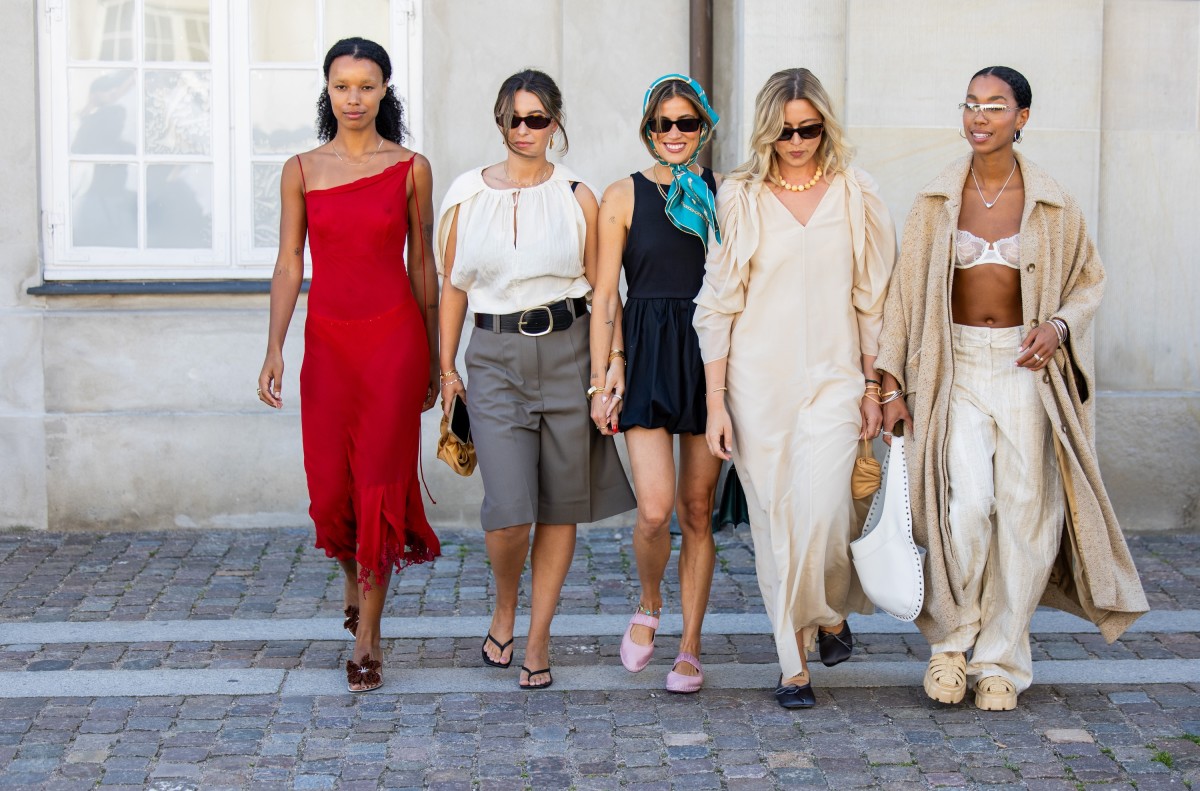
Introduction to Fashion
Fashion is more than clothing; it is a universal language that speaks through style, creativity, and cultural identity. It defines eras, tells stories, and influences the way individuals present themselves to the world. In today’s society, fashion extends far beyond garments, encompassing sustainability, technology, and personal expression.
From the runways of London and Paris to streetwear culture in urban centres, fashion continuously evolves to reflect both tradition and modernity. It serves as a mirror of society, capturing movements, ideas, and innovation with every stitch.
The History of Fashion
Fashion has always been intertwined with human development. In ancient times, it reflected class and community status. Egyptian linen robes symbolised purity, while Roman attire denoted citizenship and authority.
The Middle Ages brought rich fabrics such as velvet and silk, often reserved for nobility. During the Renaissance, tailoring became an art, with elaborate garments showcasing wealth and artistry. By the 20th century, fashion evolved rapidly, shaped by cinema, music, and industrial progress, creating a bridge between elite couture and mass-produced wear.
The Fashion Industry Today
Fashion is one of the most influential industries globally, impacting economy, culture, and environment. It includes luxury designers, high-street retailers, and independent brands all contributing to a vast ecosystem.
Key Aspects of the Modern Fashion Industry
-
Design and Trends: Designers capture inspiration from culture, art, and technology to set the tone of seasons.
-
Manufacturing and Supply Chains: From sourcing fabrics to final production, supply chains are crucial in shaping accessibility and sustainability.
-
Marketing and Retail: Creative campaigns, collaborations, and global e-commerce platforms drive engagement and visibility.
-
Fashion Weeks: Cities like London, Milan, and New York act as global stages, unveiling upcoming collections and trends.
The Cultural Impact of Fashion
Fashion is deeply cultural. It reflects the spirit of time, shaping and shaped by art, politics, and social change. The rebellious punk styles of the 1970s, the glamour of the 1980s, and the minimalist 1990s each mirrored societal moods.
Today, fashion is influenced by digital culture and global connectivity. Online platforms have democratised style, giving voices to independent creators while allowing individuals to adopt and adapt trends instantly.
Fashion as a Form of Identity
Clothing choices are a powerful form of self-expression. They communicate personality, values, and aspirations without words. A tailored suit may project professionalism, while casual streetwear conveys creativity and comfort.
The industry now embraces inclusivity, showcasing diverse models across age, size, and background. This shift ensures that fashion celebrates individuality rather than conforming to restrictive ideals.
Sustainability and Fashion’s Responsibility
The rise of fast fashion has sparked debates on ethics and environmental responsibility. With high levels of waste, water consumption, and carbon emissions, sustainability has become central to modern discussions.
Steps Towards Sustainable Fashion
-
Eco-friendly Materials: Organic cotton, hemp, and recycled fabrics are gaining popularity.
-
Slow Fashion Movements: Consumers are encouraged to buy less but invest in quality.
-
Second-hand and Vintage: Thrift shopping and reusing clothing reduce waste.
-
Ethical Labour: Transparency in working conditions ensures fair practices.
Technology’s Role in Fashion
Fashion and technology are becoming inseparable. Innovative tools are redefining how clothing is created, marketed, and worn.
-
3D Printing allows unique designs with minimal waste.
-
AI-driven Trend Forecasting helps predict consumer demands.
-
Virtual Reality (VR) and Augmented Reality (AR) enhance shopping experiences with digital fitting rooms.
-
Blockchain increases traceability and combats counterfeit products.
These technologies not only improve efficiency but also redefine creativity and customer engagement.
Streetwear and Everyday Fashion
Streetwear has shifted from underground culture to luxury influence. Rooted in skateboarding and hip-hop, it now dominates runways, blending casual comfort with bold designs.
Athleisure, another growing trend, combines practicality with fashion, making clothing versatile for work, leisure, and fitness. Everyday fashion is increasingly about function meeting style, as consumers prioritise comfort without sacrificing individuality.
Fashion and the Economy
Fashion is one of the UK’s most valuable industries, contributing billions to the economy while employing millions. From designers and manufacturers to digital marketers and stylists, it sustains countless professions.
Globalisation and online retail have expanded the reach of UK fashion, turning it into a key player in the international market. Local creativity combined with global accessibility ensures its continued growth.
Future Trends in Fashion
The future of fashion will be defined by innovation and responsibility. Digital-only garments, eco-conscious fabrics, and AI-driven designs are already emerging. Consumers increasingly demand authenticity and ethical values, challenging brands to meet higher standards.
Fashion will continue to merge art, technology, and culture, pushing boundaries while responding to global issues.
FAQs about Fashion
Why is fashion considered a form of art?
Fashion is creative expression through fabric, design, and style. Like painting or sculpture, it reflects imagination, cultural themes, and social messages.
How does fashion affect mental health?
Wearing clothes that align with personal identity can boost confidence, reduce anxiety, and enhance overall wellbeing by creating a sense of belonging.
Are vintage clothes considered fashionable today?
Yes, vintage and second-hand clothing are highly valued for their uniqueness, sustainability, and timeless style, making them central to modern wardrobes.
How is technology influencing consumer fashion choices?
Technology enables personalisation, digital fitting, and trend prediction, making shopping more engaging and efficient for consumers worldwide.
Can fashion be timeless?
Absolutely. While trends shift, classic pieces such as tailored coats, denim jeans, and simple black dresses remain relevant across generations.

Comments are closed.