

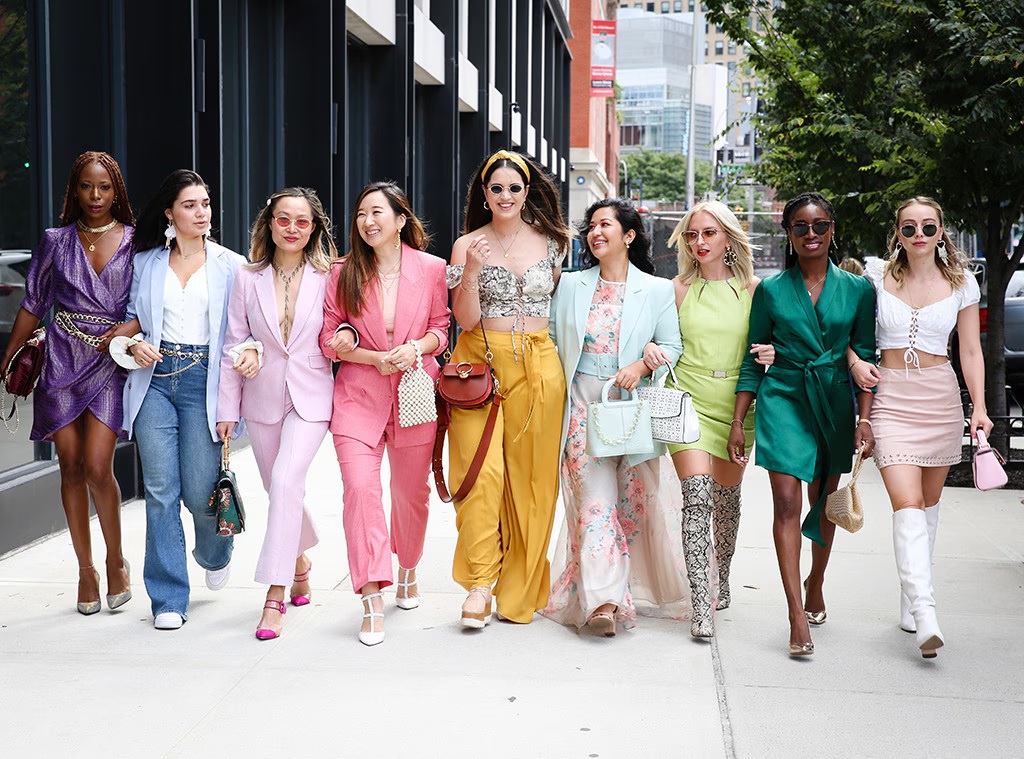
Introduction to Fashion
Fashion has always been more than just clothing. It represents identity, culture, creativity, and social expression. Over centuries, it has evolved from functional necessity into a powerful global industry influencing art, economy, and lifestyle. Today, fashion plays a key role in shaping individual personalities and collective identities, making it one of the most dynamic sectors worldwide.
In the modern era, fashion is not only about trends but also about sustainability, inclusivity, and cultural diversity. These elements define how society perceives and consumes clothing and accessories, setting the tone for the future of the industry.
Historical Roots of Fashion
Understanding today’s fashion requires looking back at its origins. Clothing first served as protection against climate and environment. Over time, it became a symbol of status and cultural expression. Ancient Egyptian linen garments, Roman togas, and medieval gowns all reflected class, power, and tradition.
During the Renaissance, fashion became increasingly linked with art and creativity, as luxurious fabrics and elaborate tailoring showcased wealth and influence. By the 20th century, the rise of haute couture and ready-to-wear collections made fashion more accessible, while simultaneously creating global icons.
The Modern Fashion Industry
The fashion industry today is a multi-billion-pound sector that operates on a global scale. It encompasses everything from luxury houses to high-street brands, small designers to e-commerce platforms.
Key Components of the Fashion Industry
-
Design and Creativity: Designers set the foundation for trends, blending art, culture, and practicality.
-
Production and Manufacturing: Factories and skilled artisans bring concepts to life.
-
Retail and Marketing: Stores, online platforms, and campaigns make fashion accessible to the public.
-
Fashion Weeks and Shows: Global events in London, Paris, Milan, and New York act as cultural milestones that dictate upcoming trends.
Cultural Influence of Fashion
Fashion influences and is influenced by culture. Music, films, social movements, and politics shape trends and styles. For example, punk fashion in the 1970s represented rebellion, while minimalism in the 1990s reflected a shift toward simplicity.
Today, fashion is deeply connected to digital culture. Social media platforms have become runways of their own, where influencers and celebrities can drive global trends instantly.
Fashion and Identity
Clothing choices allow individuals to express personality, lifestyle, and beliefs. From professional suits that convey authority to streetwear that reflects creativity and comfort, fashion is personal yet universally communicative.
Fashion also plays a role in inclusivity, breaking traditional norms around gender, body type, and age. The industry increasingly embraces diversity, offering designs for all identities and backgrounds.
Sustainability in Fashion
Sustainability has become one of the most pressing issues in the industry. The demand for fast fashion has led to environmental challenges such as textile waste, water pollution, and overproduction.
Efforts towards sustainable fashion include:
-
Using eco-friendly fabrics like organic cotton and bamboo.
-
Encouraging recycling and upcycling of clothes.
-
Promoting slow fashion movements that prioritise quality over quantity.
-
Supporting ethical labour practices.
The Role of Technology in Fashion
Technology has revolutionised how we design, produce, and consume fashion.
Innovations Shaping Fashion
-
3D Printing: Enables innovative garment creation with reduced waste.
-
Virtual Fitting Rooms: Allow customers to try clothing digitally before purchase.
-
AI and Data Analytics: Help predict trends and personalise shopping experiences.
-
Blockchain: Improves supply chain transparency for ethical sourcing.
These innovations make the industry more efficient and consumer-focused while addressing sustainability concerns.
Streetwear and Everyday Fashion
Streetwear has grown into a dominant force, blending comfort with creativity. Rooted in skateboarding and hip-hop culture, it now influences luxury fashion houses as well. Oversized hoodies, trainers, and graphic tees have moved from subcultures to mainstream wardrobes.
Everyday fashion has also shifted towards versatility and comfort. The rise of athleisure, for example, reflects a blend of fitness and casual wear, making it suitable for multiple settings.
The Economic Impact of Fashion
Fashion contributes significantly to the global economy, particularly in the UK where it employs millions and adds billions to GDP. Beyond its financial value, it supports related industries such as textiles, logistics, marketing, and media.
Emerging markets continue to expand fashion’s reach, while e-commerce has transformed shopping into a borderless activity. Consumers now have access to worldwide styles at their fingertips.
Future of Fashion
The future of fashion lies in balancing creativity, technology, and sustainability. With growing consumer awareness, brands are being challenged to rethink practices and become more responsible. Virtual fashion shows, digital-only clothing, and sustainable fabrics are likely to dominate in coming decades.
FAQs about Fashion
What role does fashion play in self-confidence?
Fashion enhances self-expression and confidence. Wearing clothing that reflects one’s personality can boost self-esteem and influence how others perceive them.
How has online shopping changed fashion?
E-commerce has made fashion more accessible, offering convenience, variety, and global reach. It also allows smaller brands to compete alongside established labels.
Is sustainable fashion affordable?
While eco-friendly fashion may seem expensive initially, its durability often makes it cost-effective in the long run. Many affordable brands are now adopting sustainable practices to make it more accessible.
What is the difference between fast fashion and slow fashion?
Fast fashion focuses on rapid production of low-cost clothing inspired by trends, while slow fashion emphasises ethical production, sustainable materials, and timeless designs.
Can fashion truly be inclusive?
Yes, inclusivity is becoming central to fashion. Brands now focus on diverse body sizes, cultural representation, and gender-neutral collections, making fashion accessible for all.

Comments are closed.