

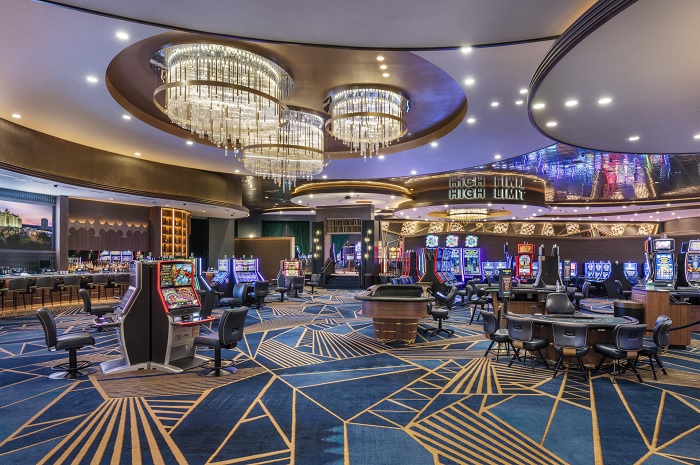
For decades, the architectural philosophy behind casino design was rigidly singular: keep guests inside, obscure the passage of time, and direct all attention to the gaming floor. The traditional model relied heavily on windowless rooms, labyrinthine layouts, and overwhelmingly bold carpets, all engineered to create a state of suspended reality. However, the hospitality and gaming industries have undergone a massive paradigm shift. Today, modern casino resorts are sprawling, multifaceted integrated destinations that prioritize holistic guest experiences, architectural elegance, and psychological comfort.
The evolution of these massive properties reflects a deeper understanding of human behavior, shifting demographics, and the growing demand for luxury and authenticity. By examining the creative concepts driving these modern structures, we can understand how architects and designers are redefining the boundaries of entertainment spaces.
The Shift from Isolation to Integration
Historically, casino floors were deliberately designed as mazes. The concept, often referred to as the bill-trap design, utilized curved pathways and clustered gaming stations to intentionally disorient patrons, making it difficult for them to find the exit. Modern architectural concepts have aggressively pivoted away from this model, favoring what designers call an integrated playground approach.
Breaking the Maze Paradigm
Contemporary resort designs champion intuitive wayfinding and open sightlines. Instead of trapping guests in a claustrophobic environment, modern layouts guide them through distinct but seamlessly connected zones. A guest standing in the central promenade can now easily spot the gaming floor, a high-end restaurant, a luxury retail avenue, and the hotel lobby all from a single vantage point. This visual transparency reduces psychological friction and anxiety, empowering guests to navigate the space freely. Wide, sweeping promenades and clearly defined architectural anchors encourage exploration rather than forced confinement, proving that comfortable guests are more likely to extend their stay across the entire property.
The Psychology of Space and Lighting
Perhaps the most radical departure from legacy casino design is the strategic use of light. The old industry standard dictated an absolute ban on natural sunlight to prevent guests from realizing how much time had passed. Today, designers recognize that prolonged exposure to artificial, low-quality light leads to sensory fatigue, which ultimately drives patrons away.
Embracing Natural Light
Modern resorts are increasingly incorporating massive glass atriums, skylights, and floor-to-ceiling windows. This integration of daylight serves multiple purposes. First, it completely transforms the aesthetic of the space, elevating it from a dimly lit gambling hall to a vibrant, upscale resort. Second, it revitalizes guests. Exposure to natural sunlight regulates circadian rhythms and boosts mood, keeping visitors energized and engaged. While the immediate gaming tables may still feature tightly controlled artificial lighting to reduce glare on cards and screens, the surrounding transition spaces are bathed in sunlight.
Dynamic Lighting Systems
When the sun sets, modern resorts rely on sophisticated, dynamic lighting systems rather than the static, neon-heavy arrays of the past. Designers use programmable LED architecture to subtly alter the mood of the room throughout the evening. Warm, amber tones might be used during the early evening to create an inviting dining atmosphere, gradually transitioning to cooler, more vibrant hues as the night progresses to stimulate energy on the casino floor.
Immersive Theming Without the Kitsch
In the late twentieth century, casino design was dominated by heavy, literal theming. Replicas of famous cities, pirate ships, and ancient pyramids were built to offer patrons a fantasy escape. While visually striking, these environments often aged poorly and felt artificial. Modern design has matured, replacing literal pastiche with sophisticated, evocative atmospheres.
Subtle Cultural Homages
Instead of building a cardboard replica of a European city, today’s architects aim to capture the essence and luxury of that culture through high-end materials, bespoke art installations, and meticulous craftsmanship. You will find hand-carved marble, imported woods, and custom blown-glass chandeliers replacing fiberglass facades. The creative concept now revolves around curated elegance. If a resort is inspired by Asian aesthetics, it will likely feature principles of Feng Shui, balanced symmetry, and authentic regional artwork rather than cartoonish dragons. This subtle approach appeals to a more affluent, global traveler who values authenticity and refined luxury over theme-park aesthetics.
Multi-Sensory Experiences and Biophilic Design
Humans have an innate desire to connect with nature, a concept known as biophilia. Recognizing that casino environments can easily become sterile and overwhelming, designers are weaving natural elements directly into the structural DNA of modern resorts.
Bringing the Outdoors Inside
Biophilic design in casino resorts goes far beyond placing a few potted plants in the lobby. Architects are engineering massive indoor waterfalls, towering living green walls, and expansive indoor botanical gardens that serve as the central heartbeat of the property. These natural features act as acoustic dampeners, absorbing the chaotic noise of slot machines and crowds, while simultaneously purifying the air. The presence of water features, organic textures like raw stone and exposed timber, and floral installations provide essential mental resting points for guests. By offering these serene, natural contrasts to the high-energy gaming areas, resorts provide a balanced sensory diet that prevents guest burnout.
Flexible Spaces for a Diverse Demographic
The demographic profile of the average resort visitor has shifted dramatically. Millennials and Gen Z consumers prioritize experiences, culinary exploration, and social interaction over traditional table games and slots. Consequently, modern casino resorts are designed as holistic lifestyle destinations where gaming is just one component of a much larger ecosystem.
Architects are dedicating unprecedented square footage to non-gaming amenities. This includes modular convention centers that can transform from corporate exhibition halls into concert arenas, vast day-club pool complexes that rival the square footage of the casino floor, and highly curated culinary food halls. The design challenge lies in creating flexible architectural spaces that can pivot based on the season, the time of day, or shifting consumer trends. Adaptable zoning allows resort operators to seamlessly convert a quiet afternoon lounge into a high-energy nightclub by utilizing retractable walls, kinetic architecture, and versatile furniture layouts.
Technological Integration in Physical Architecture
The invisible scaffolding of modern casino resort design is advanced technology. Designers are no longer just planning physical spaces; they are integrating digital infrastructure directly into the architecture. This goes beyond massive digital signage and encompasses the entire operational flow of the building.
Climate control systems are highly localized, pushing fresh air upward from the floor rather than down from massive, drafty ceiling vents, ensuring a comfortable microclimate for every guest. Acoustic engineering has become a vital creative concept, utilizing specialized ceiling baffles and strategically angled walls to contain the harsh sounds of the gaming floor while maintaining perfect clarity in adjacent fine-dining restaurants. Furthermore, the architecture is designed to accommodate seamless mobile integration, from keyless room entries to augmented reality art installations that guests can interact with through their smartphones. The physical building acts as a quiet, seamless interface for a deeply digitized guest experience.
Modern casino resort design is an intricate balancing act between excitement and comfort, energy and serenity. By abandoning the oppressive, manipulative tactics of the past in favor of natural light, intuitive navigation, biophilic elements, and authentic luxury, designers are creating enduring architectural marvels. These properties are no longer just places to gamble; they are dynamic, multi-sensory destinations that celebrate the complexity of modern leisure.
